
Maho Bay is the most geographically protected of all the north shore beaches in the Virgin Islands National Park. The beach is surrounded on the windward side by high steep hillsides which keeps Maho Bay Beach calm even when the waves pipe up and other beaches experience choppy conditions.
It’s not completely immune to winter ground swells that come out of the north and west, but it is certainly less affected than most of the other St. John beaches. You can enjoy this tropical wonderland without worrying about choppy seas and quick drop-offs into deep water.
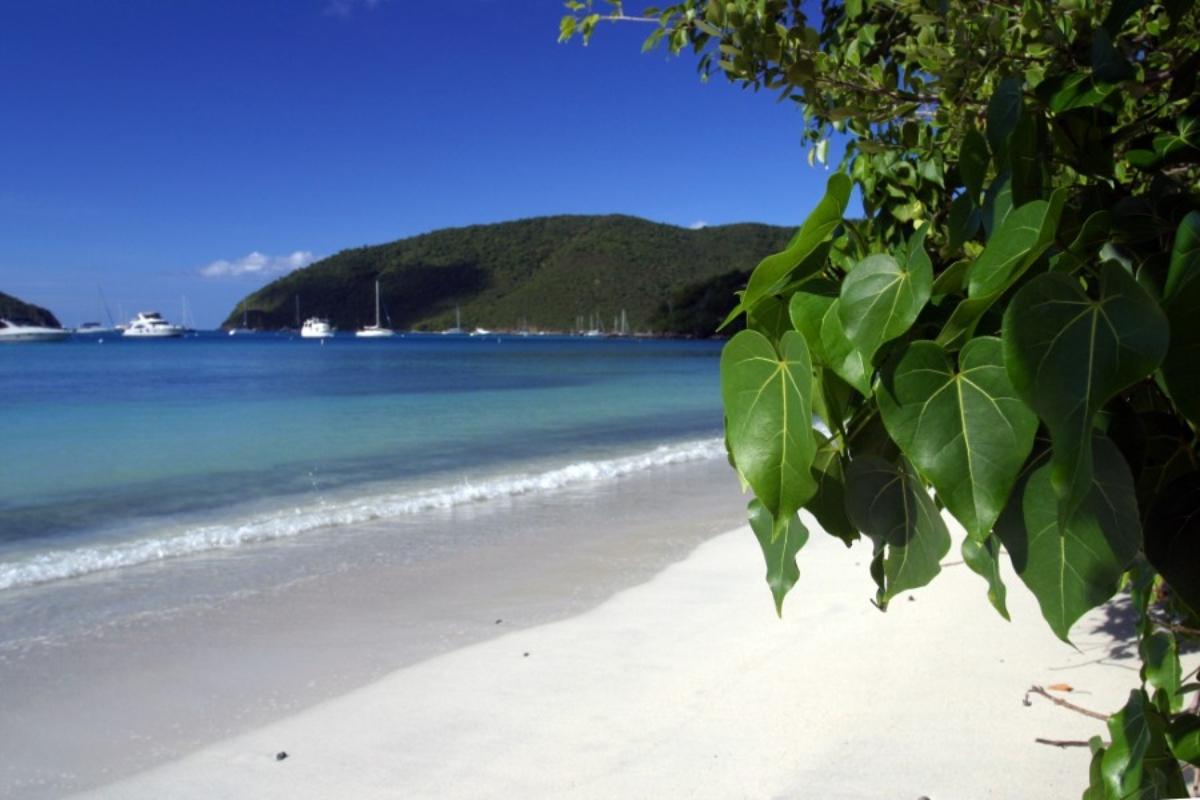
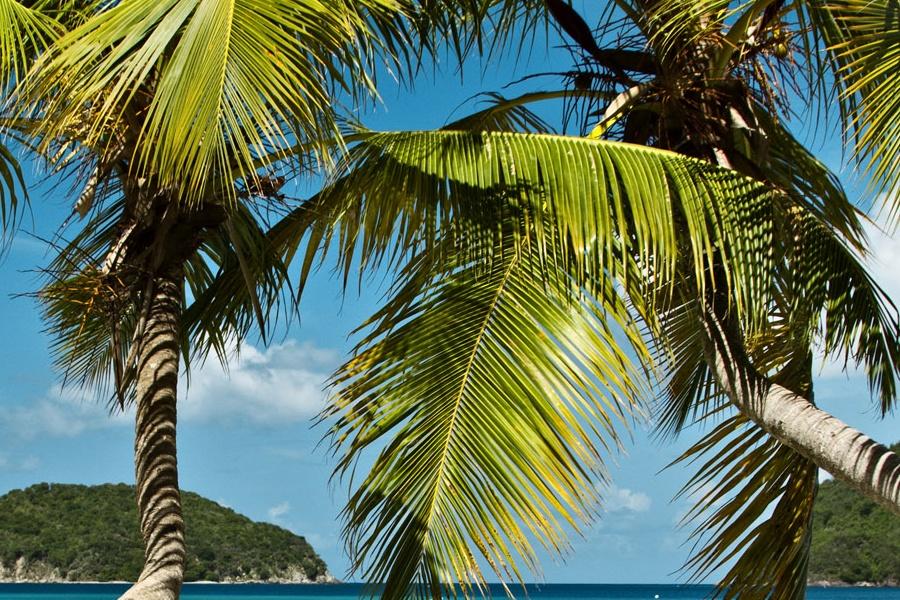
Maho Bay also has some nice shoreline vegetation. On the south, there are some coconut palms, and bordering the rest of the beach are Mahos, sea grapes, and some scattered Mangroves and genips. They’re good for finding shade and hanging hammocks.
The downside of this geographical protection is that mosquitoes and sandflies are more active where there is no breeze. The wetlands behind the beach also contribute to a higher-than-usual mosquito population.
Therefore, during times of mosquito activity, after a rainy spell, it’s advised to bring along some mosquito repellant along with your usual beach gear.
Maho Bay Beach has a distinctive heart-shaped leaf and produces attractive yellow flowers that later turn purple. The small green fruit of the Maho is not edible, but bush tea can be made from the leaf.
Interestingly, Maho Bay, now a relatively narrow beach, was once one of the widest beaches in St. John. The horseback riding enthusiasts of St. John took advantage of this characteristic, as well as the great length of the beach, to have horse races on the sand.
The narrowing of the beach came as a result of the removal of sand by the government to construct Cruz Bay roads and the Julius Sprauve School. This was done at a time when the dynamics of sand production and sand loss were not yet understood.
In a nutshell, Maho Bay Beach is perfect for families with children and novice swimmers, and snorkelers who want to seek out calm and shallow waters. Plus, its blue waters always have green sea turtles swimming around.
The white sand beach is hard-packed and not quite as sensual as the soft white coral sands found on other beaches in the northshore of St. John.
This hard-packed sand extends into the sea, where there are patches of areas with scattered small rocks making it not quite as comfortable for those, like me, with ultra-sensitive feet.
Fortunately, you can rent a beach chair so you don’t need to sit on the hard sand. Of course, you can choose you can just as well choose a spot on the beach without small rocks.
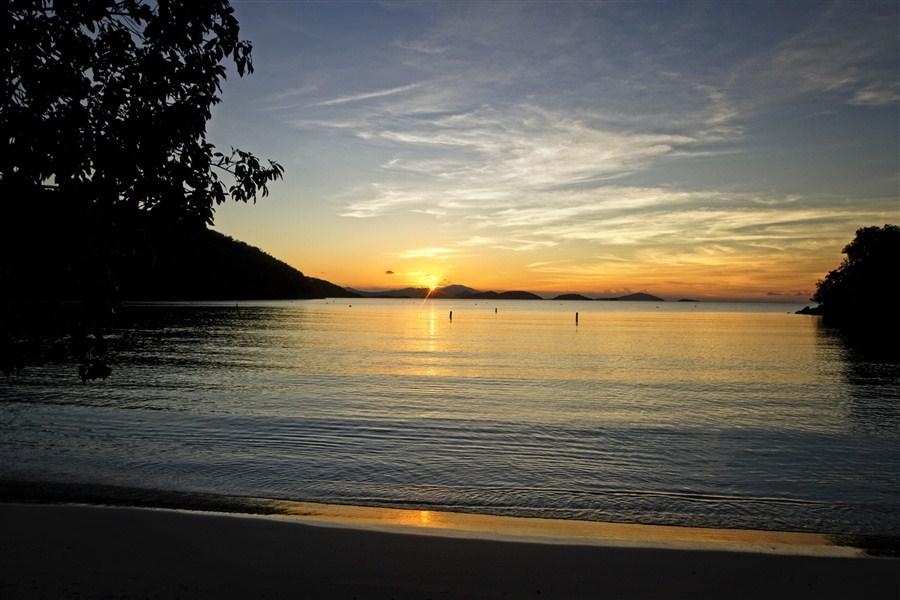
Maho Beach is one of the few places in St. John’s that you can drive right up to. It’s the very informality of this beautiful and often-photographed Virgin Islands beach that makes it so special.
It’s right there by the side of the road, with no parking lots or signs, just the beach. Stately groves of coconut palms line both sides of the road. Just pull over under a Maho tree, and there you are!
How To Get To Maho Bay
Maho Bay is located about 1.25 miles past Cinnamon Bay or 5.2 miles past Mongoose Junction, going east on Route 20. It’s deep within the Virgin Islands National Park and is around a 15 to 20-minute drive from Cruz Bay or a 10-minute drive from Coral Bay.
We typically don’t have any issues finding a taxi that can take you there from Cruz Bay, but there aren’t always too many available to take you back. There is a Virgin Islands National Park pavilion on the extreme western portion of the beach. However, a permit must be obtained from the park in order to use this facility.
This permit will also entitle you to use the bathrooms to the west of the pavilion, which is otherwise locked and not available to the general public. The park will explain the rules and conditions pertaining to the use of the pavilion. You can find picnic tables on the other side of the road as well as food trucks in the area.
Snorkeling At Maho Bay
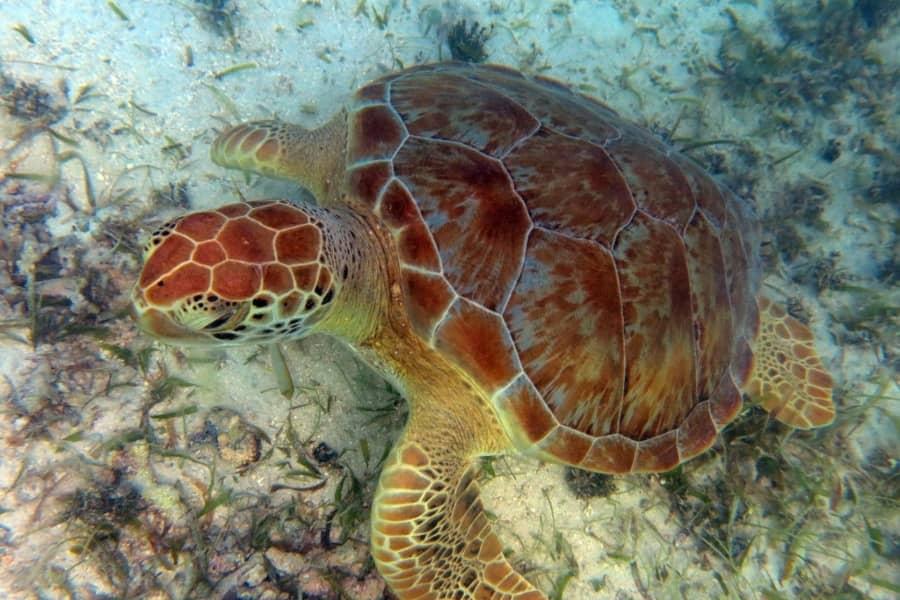
The entry into the sea from the beach at Maho Bay is gradual. There are no steep drop-offs into deep water, and you can walk out quite comfortably to find a water depth that suits you.
I’ve changed my mind about snorkeling at Maho and would list it as one of St. John’s best snorkel destinations and all of the US Virgin Islands, especially for novice snorkelers who are looking for green sea turtles.
You can snorkel along the rocks on the north end of the beach to the large boulders on the point between Maho and the next beach Little Maho. Here you can expect to encounter lots of colorful reef fish, interesting rock formations, and some of the nicest corals in all of the Virgin Islands National Park.
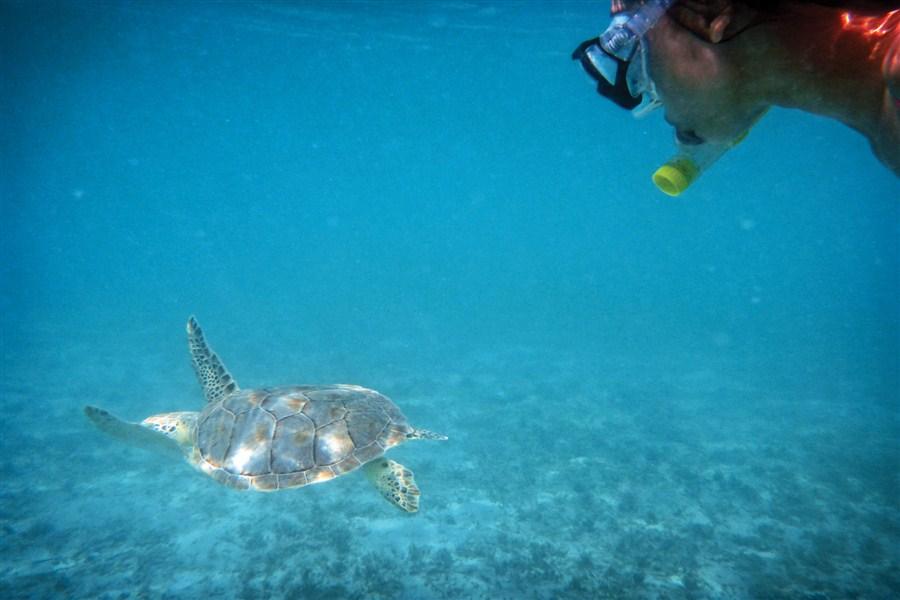
Snorkeling over the seagrass can also be very rewarding. Your experience will, however, depend on luck, time of day, and time of year. Give it a chance, and you can find sea turtles, spotted eagle rays, and occasionally conch and starfish.